
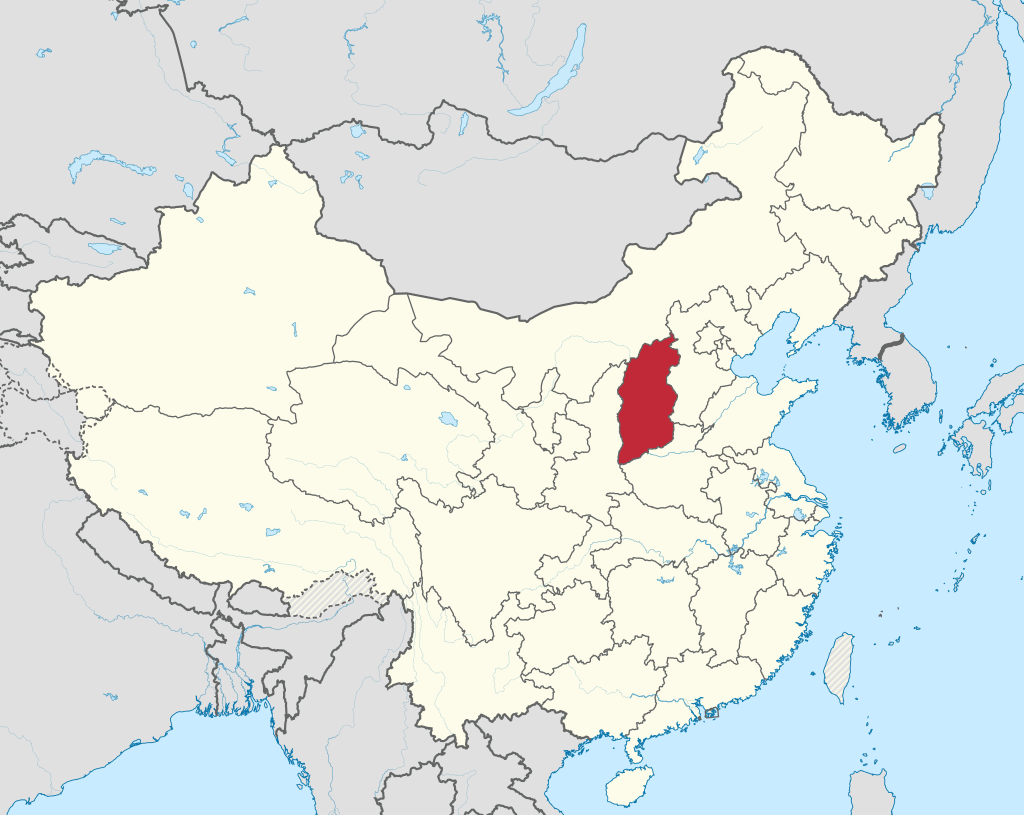
Shanxi
Shanxi is a province in North China. Its capital and largest city of the province is Taiyuan, while its next most populated prefecture-level cities are Changzhi and Datong. Its one-character abbreviation is 晋 (Jìn), after the state of Jin that existed there during the Spring and Autumn period (c. 770 – c. 481 BC). The name Shanxi means 'west of the mountains', a reference to its location west of the Taihang Mountains. Shanxi borders Hebei to the east, Henan to the south, Shaanxi to the west and Inner Mongolia to the north. Shanxi's terrain is characterised by a plateau bounded partly by mountain ranges. Shanxi's culture is largely dominated by the ethnic Han majority, who make up over 99% of its population. Jin Chinese is considered by some linguists to be a distinct language from Mandarin and its geographical range covers most of Shanxi. Both Jin and Mandarin are spoken in Shanxi. Shanxi is a leading producer of coal in China, possessing roughly a third of China's total coal deposits. Nevertheless, Shanxi's GDP per capita remains below the national average. The province hosts the Taiyuan Satellite Launch Center. The province is also known for having by far the largest number of historic buildings among all Chinese provinces, by possessing over 70% of China's surviving buildings built during or predating the Song dynasty. Also notable are the Yungang Grottoes in Datong, which date back over 1500 years.
One-Day Shanxi Tour Itinerary Recommendations
Theme:
Ancient Architecture + Merchant Culture + Noodle Experience
Suitable for:
Short trips around Taiyuan, flexible transportation (high-speed rail/self-driving/chartered car)
Practical Tips
Ticket Prices:
Jinci Temple ¥80, Pingyao pass ¥125, Wutai Mountain ¥135, Yungang Grottoes ¥120
Transport Notes:
Pingyao Ancient City is walkable; Wutai Mountain/Hanging Temple best visited by chartered car
Must-Try Foods:
Taiyuan: "Tounao" breakfast, oat noodles
Datong: Knife-shaved noodles, lamb offal soup
Pingyao: Buckwheat noodles, Jinxing oil tea
Optimization Tips:
If short on time, Pingyao or Wutai Mountain can each be a full-day trip
Architecture lovers can swap Option 3 for Wang Family Compound + Zhangbi Underground Castle (merchant mansions + ancient tunnels)
Option 1:
Taiyuan (Jinci Temple) + Pingyao Ancient City (Cultural Depth)
Best for:
First-time visitors, photography & history lovers
Transport:
Taxi from Taiyuan to Jinci (40 mins), then high-speed rail to Pingyao (30 mins)
08:30-10:30 Jinci Temple Museum
Must-see: Song Dynasty painted maid statues, 3,000-year-old cypress tree, and "Never Aging Spring"
11:00-12:30 Lunch in Taiyuan
Recommended: Bingzhou Grand Restaurant (Shanxi fried pork, hand-pulled noodles)
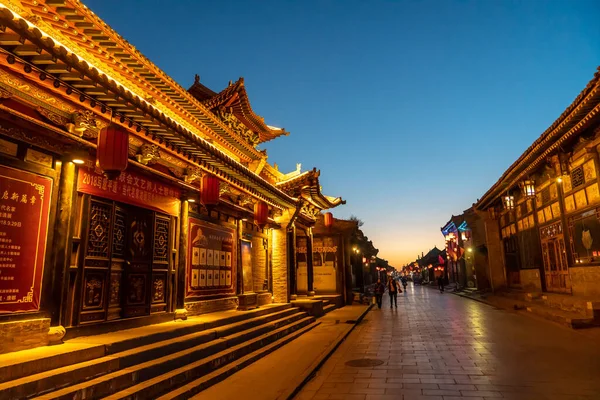
13:30-18:00 Pingyao Ancient City (High-speed rail: Taiyuan South → Pingyao Station)
Highlights: Rishengchang Exchange (first draft bank), Ancient Government Office, City Walls
Experiences: Dressing in traditional merchant costumes, lacquerware DIY
19:00 Pingyao Night View + Dinner
Hongwuji Restaurant (millet cakes, Pingyao beef)
Option 2:
Wutai Mountain Pilgrimage (Religious + Nature)
Best for:
Buddhist culture enthusiasts / summer retreat
Transport:
2.5-hour drive from Taiyuan / tour bus
06:00-08:30 Depart from Taiyuan to Wutai Mountain
09:00-12:00 Key Temple Tour
Wuye Temple (most popular) → Xiantong Temple (oldest) → Pusading Temple (imperial temple)
12:30-13:30 Vegetarian Lunch
Recommended: Yizhan Mingdeng Vegetarian Restaurant
14:00-16:00 Hike to Dailuo Peak (1,080 steps)
Or take the cable car for panoramic views
17:00 Return to Taiyuan
Option 3:
Datong (Yungang Grottoes + Hanging Temple) (Awe-Inspiring Architecture)
Best for:
History & architecture fans
Transport:
Stay overnight in Datong / take early high-speed rail from Taiyuan (2 hrs)
08:30-11:00 Yungang Grottoes
Focus on Caves 5-6 (colorful carvings) & Cave 20 (giant Buddha statue)
12:00-13:00 Lunch in Datong
Longjuxiang Steamed Dumplings (lamb shaomai, Hunyuan cold noodles)
14:00-16:30 Hanging Temple (1.5-hour drive)
Walk on the "floating temple" (additional ¥100 entry fee)