
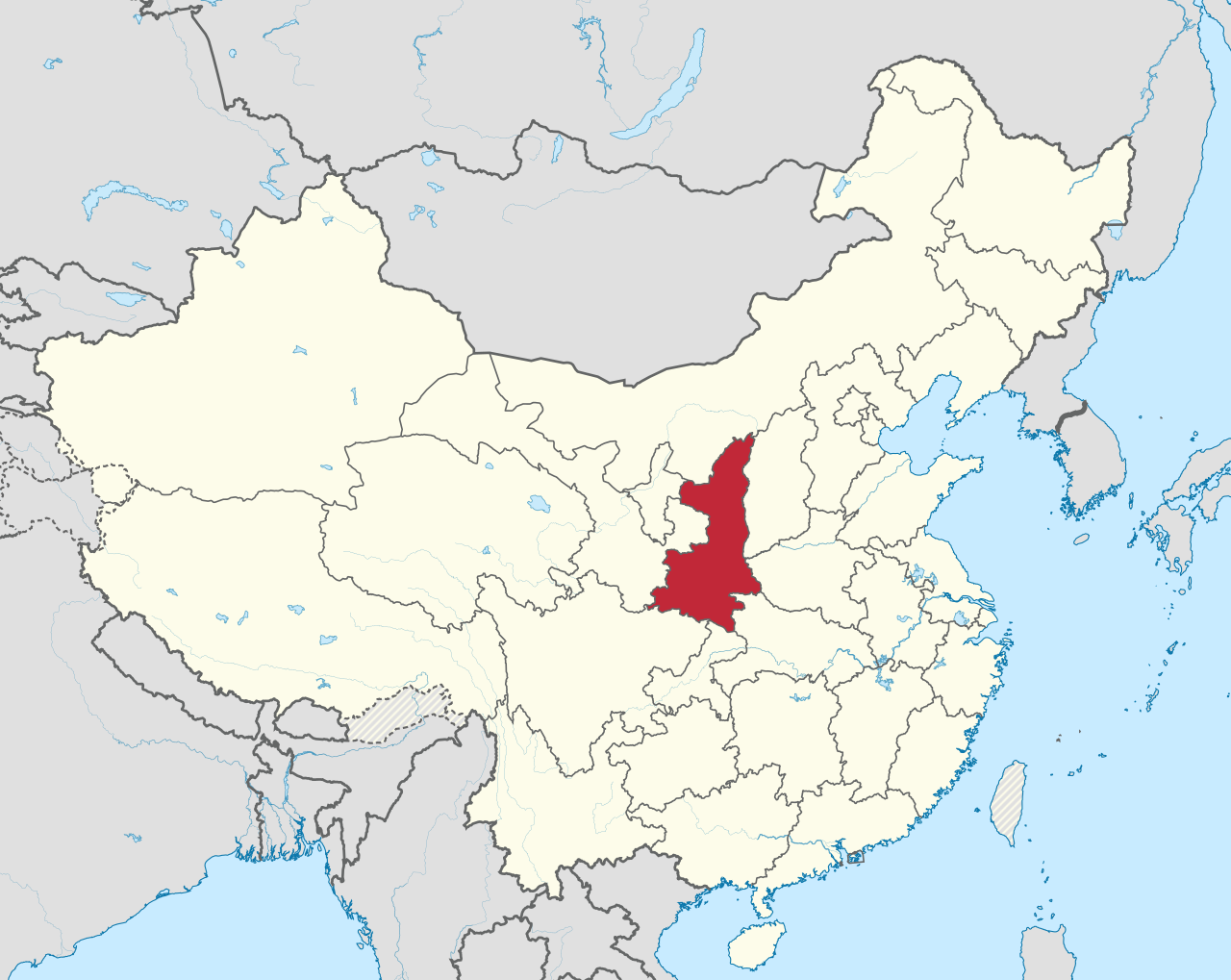
Shaanxi
Shaanxi is a province in north Northwestern China. It borders the province-level divisions of Inner Mongolia to the north; Shanxi and Henan to the east; Hubei, Chongqing, and Sichuan to the south; and Gansu and Ningxia to the west. Shaanxi covers an area of over 205,000 km2 (79,000 sq mi) with about 37 million people, the 16th-largest in China. Xi'an – which includes the sites of the former capitals Fenghao and Chang'an – is the provincial capital and largest city in Northwest China and also one of the oldest cities in China and the oldest of the Four Ancient Capitals, being the capital for the Western Zhou, Western Han, Jin, Sui and Tang dynasties. Xianyang, which served as the capital of the Qin dynasty (221–206 BC), is just north across the Wei River. The other prefecture-level cities into which the province is divided are Ankang, Baoji, Hanzhong, Shangluo, Tongchuan, Weinan, Yan'an and Yulin. The province is geographically divided into three parts, namely Northern (or "Shaanbei"), Central ("Shaanzhong") and Southern Shaanxi (or "Shaannan"). Northern Shaanxi makes up the southeastern portion of the Ordos Basin and mainly comprises the two prefectural cities of Yulin and Yan'an on the northern Loess Plateau, demarcated from the Ordos Desert and the grasslands of Inner Mongolia's Ordos City by the Ming Great Wall. Central Shaanxi is also known as the Guanzhong region, and comprises the drainage basin of lower Wei River east of Mount Liupan and north of the Qinling Mountains, where the majority of Shaanxi's population reside. Southern Shaanxi comprises the three prefectural cities in the edge of the historical Bashu region south of the Qinling Mountains and includes the three mountainous cities of Hanzhong, Ankang and Shangluo. The area comprising Shaanxi, Shanxi, and Henan formed the cradle of Chinese civilization. During the Republican era, the city of Yan'an was near the endpoint of the Long March by the Chinese Red Army, who fled from Jiangxi after the Chinese Soviet Republic was destroyed by the Kuomintang armies, and became the birthplace of the Chinese Communist Revolution from late 1935 to early 1947 and the Communists formed the Shaan-Gan-Ning Border Region in constituent parts of Shaanxi. The vast majority of the population of Shaanxi is Han Chinese, with Hui, Manchu and Mongol being the more significant ethnic minorities. Mandarin Chinese is the main spoken language in Shaanxi, including Central Plains Mandarin and Southwestern Mandarin dialects; another variety of Chinese, Jin Chinese, is also spoken in the regions neighboring Shanxi. Shaanxi is China's 15th largest economy, ranking within the middle tier among China's administrative divisions. The fossil fuel and high technology sectors compose the two largest industries in Shaanxi Province. The high technology sector includes aircraft and aerospace industries and Shaanxi produces more than 50% of the R&D and manufacturing equipment for the country's domestic commercial aviation industry.
One-Day Shaanxi Tour Itinerary Recommendations
Theme:
Ancient Capitals + Qin-Tang Heritage + Culinary Delights
Suitable for:
Short trips to Xi'an/Xianyang/Huashan, optimal with metro + high-speed rail/scenic shuttle
Practical Tips
Tickets:
Terracotta Warriors ¥120 (includes shuttle) | Shaanxi Museum free (book 3 days early) | Huashan ¥160 + cable car ¥140
Food Secrets:
Xi'an: Spicy meatball soup, persimmon cakes
Huashan: Buckwheat noodles, Huayin jelly
Xianyang: Old Man's delight burger, Liquan cold noodles
Transport Notes:
Xi'an metro covers main sites | Huashan North Station to park: ¥15 taxi
Optimization Tips:
Xi'an alternative: Forest of Steles Museum (calligraphy lovers)
Huashan night hike for sunrise (start pre-dawn, bring headlamps/jackets)
Famen Temple distant - substitute Zhaoling Museum if short on time
(Note: Xi'an→Huashan high-speed rail 30mins | Xi'an→Xianyang metro 1hr)
Option 1:
Xi'an Historical Discovery
Best for:
History lovers, families
Transport:
Metro Line 4 + walking
07:30-09:30 Terracotta Warriors (Bronze Chariots Hall included)
Arrive at 8am opening | Must-see: Pit No.1 army formation + kneeling archer (rent audio guide)
10:30-12:30 Huaqing Palace
Tang Dynasty hot springs + Xi'an Incident historical site
12:30-14:00 Lintong Local Lunch
Fushunxiang Braised Chicken (with belt noodles) + seasonal pomegranate juice
14:30-17:00 Shaanxi History Museum
Book "Tang Dynasty Treasures" exhibit | Gilded agate cup (closed Mondays)
18:00 Tang Dynasty Everbright City
Interact with "Unfallable Lady" performers | Giant Wild Goose Fountain shows (7pm/9pm)
Option 2:
Mount Hua Adventure Challenge
Best for:
Hikers, photographers
Transport:
30-min high-speed rail from Xi'an North Station
06:30-08:00 North Peak cable car ascent
08:30-12:00 Canglong Ridge → East Peak → Kite-Flipping Cliff
Thousand-Foot Zhuang challenge | Sunrise viewing platform (bring gloves)
12:30-14:00 Summit Lunch
Roujiamo + Ice Peak soda | Try "Huashan Duel" liquor
14:30-17:00 Plank Walk → West Peak
Cliffside wooden path (waiver required) | Descend via West Peak cable car
18:00 Hot Springs Therapy
Imperial Hot Springs recovery (bring swimwear)
Option 3:
Xianyang Han-Tang Time Travel
Best for:
Culture enthusiasts, Hanfu fans
Transport:
Xi'an Metro Line 1 + bus
08:00-10:00 Hanyang Mausoleum
Underground museum terracotta army | Golden ginkgo forest (autumn)
10:30-12:30 Qianling Mausoleum (Wu Zetian's Tomb)
Wordless Stele + 61 stone envoys | Tang-style dance show (11:30am)
12:30-14:00 Guanzhong Farmhouse Feast
Qianzhou "Four Treasures" (flatbread, noodles, crispy cake, tofu pudding)
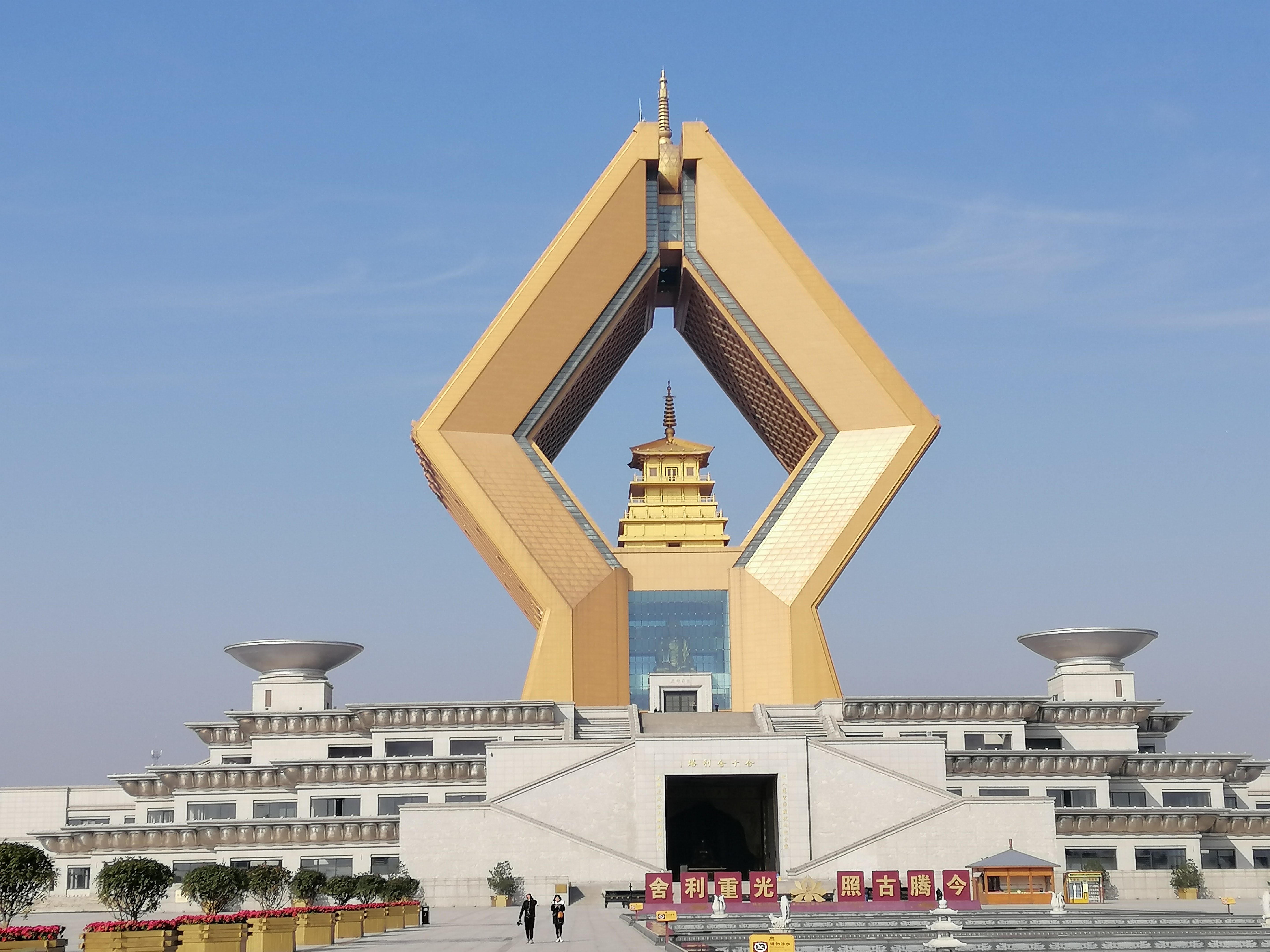
14:30-17:00 Famen Temple
Buddha's finger relic + secret-color porcelain | Scripture copying activity
18:00 Yuanjia Village Folk Experience
Donkey-hoof noodles + honey rice dumplings | Shadow puppet show