
Jiangxi
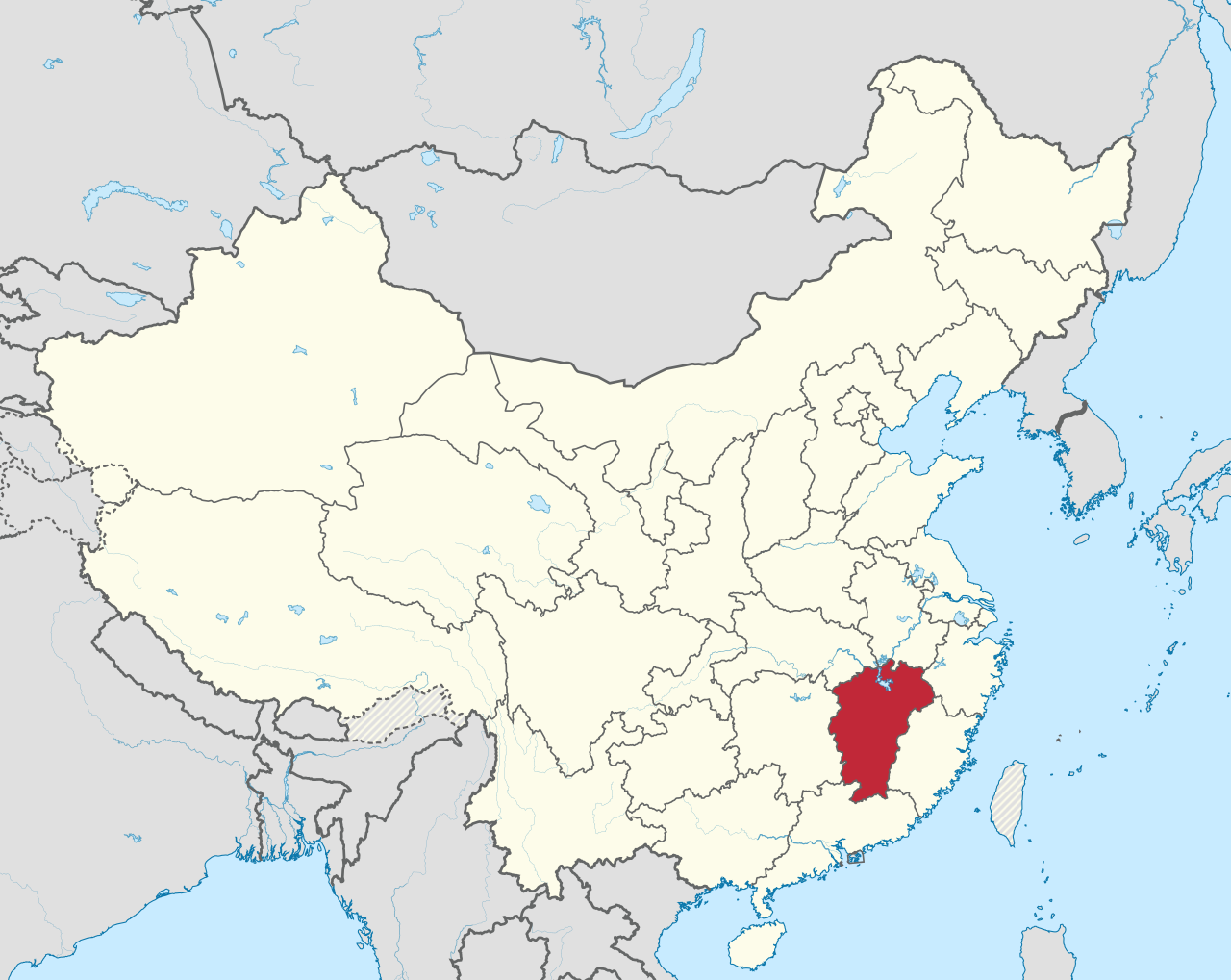
Jiangxi is an inland province in East China. Spanning from the banks of the Yangtze river in the north into hillier areas in the south and east, it shares a border with Anhui to the north, Zhejiang to the northeast, Fujian to the east, Guangdong to the south, Hunan to the west, and Hubei to the northwest. Major cities include its capital Nanchang, Ganzhou, and Jiujiang. After the 1911 Revolution ended the Qing dynasty, Jiangxi became one of the earliest bases for the Chinese Communist Party. The Nanchang uprising took place in Jiangxi on 1 August 1927, beginning the Chinese Civil War. In 1931, the Chinese Soviet Republic's government was established in Ruijin, which is sometimes called the "Former Red Capital". The southern half of Jiangxi is hilly and mountainous, with ranges and valleys interspersed; notable mountains and mountain ranges include Mount Lu, the Jinggang Mountains and Mount Sanqing. The northern half is comparatively lower in altitude. The Gan River flows through the province. Although the majority of Jiangxi's population is Han Chinese, Jiangxi is linguistically diverse. It is considered the center of Gan Chinese; Hakka Chinese is also spoken to some degree. Jiangxi is rich in mineral resources, leading the provinces of China in deposits of copper, tungsten, gold, silver, uranium, thorium, tantalum, niobium and lithium.
One-Day Jiangxi Tour Itinerary Recommendations
Theme:
Poetic Landscapes + Revolutionary Heritage + Porcelain Capital Charm
Suitable for:
Short trips to Nanchang/Lushan/Jingdezhen, optimal with high-speed rail + scenic shuttle
Practical Tips
Seasonal Magic:
Lushan: March clouds/July retreat/December rime | Jingdezhen Porcelain Fair (Oct)
Ticket Prices:
Tengwang Pavilion ¥50 | Lushan ¥160+shuttle ¥90 | Ancient Kiln ¥95
Must-Eat Flavors:
Nanchang: Sugar cakes, artemisia with bacon
Lushan: Stone fish omelet, tea cookies
Jingdezhen: Clay-baked chicken, bitter taro tofu
Optimization Tips:
Nanchang alternative: Jiangxi Museum (bronze exhibits)
Lushan day-trip: Take cable cars | Hiking requires 2 days
Deeper Jingdezhen experience: Add Yaoli Ancient Town (1.5-hour drive)
(Note: Attractions are scattered—focus on 2-3 key spots per area!)
Option 1:
Nanchang Red Culture & Modernity
Best for:
History lovers, families
Transport:
Metro + e-bike
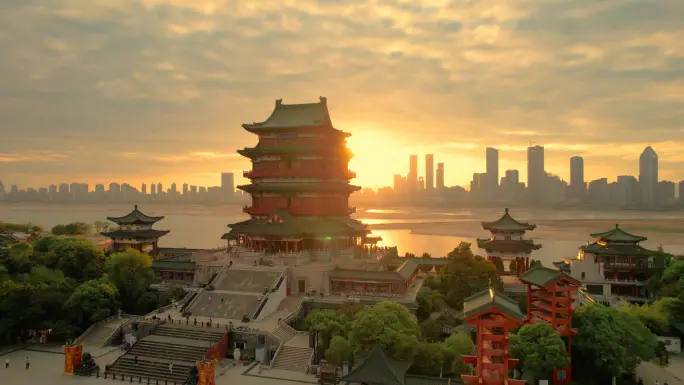
08:00-10:00 Tengwang Pavilion
Recite《Preface to Tengwang Pavilion》for free entry | Panoramic Gan River views
10:30-12:00 August 1st Uprising Museum
5D recreation of Nanchang Uprising | Iconic "First Shot" sculpture
12:30-13:30 Local Lunch
Zhou Zhenzhen Noodles (beef mixed noodles + cuttlefish meat soup)
14:00-16:00 Haihunhou Kingdom Ruins Museum
10-ton coin pile & Confucius screen (1-hour taxi recommended)
17:00 Qiushui Square Fountain Show
Asia's largest waterfront fountain + "Star of Nanchang" Ferris wheel
Option 2:
Lushan Seasonal Poetry Tour
Best for:
Nature enthusiasts, photographers
Transport:
Jiujiang Station → Lushan shuttle
07:30-09:00 North Gate shuttle transfer
09:30-12:00 Western Route Highlights
Flower Path → Ravine of Splendor (Mao's poems + wild macaques)
12:30-13:30 Guling Street Lunch
Stone fungus chicken + Lushan cloud tea shrimp
14:00-16:30 Hanpo Pass → Five Old Peaks
Summer: Poyang Lake sails | Winter: Rime scenery
17:30 Meilu Villa Night Views
Historic leaders' residences + illuminated phoenix trees
Option 3:
Jingdezhen Porcelain Discovery
Best for:
Craft lovers, creatives
Transport:
20-min taxi from Jingdezhen North Station
08:30-10:30 Ancient Kiln Folk Expo
Watch masters throw clay | Try blue-and-white painting (booking needed)
11:00-12:30 Imperial Kiln Museum
Arch-shaped landmark | Yongle-era sweet white glaze
13:00-14:00 Cold Noodles + Dumpling Cakes
Maozi Snacks (alkali noodles with qingming fruit)
14:30-17:00 Taoxichuan Art District
Friday night market | 2-hour pottery workshop
18:00 Sanbao Village Art Colony
Ancient kiln studios | Stunning celadon-glazed road after rain